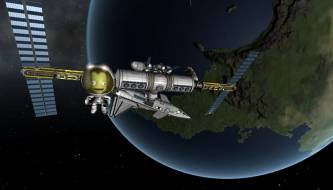
NASA launched the Artemis 2 project, and this game unexpectedly benefited, setting a record for the number of players on Steam.
NASA's Artemis 2 event not only marked a significant leap forward in the aerospace industry, but also inadvertently gave a major boost to a game released over a decade earlier.
Specifically, Kerbal Space Program unexpectedly set a new player record on Steam, demonstrating the enduring appeal of the science simulation genre.
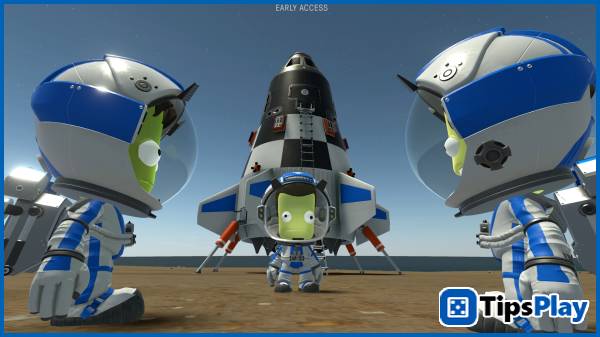
According to data from SteamDB, in April 2026, the game Kerbal Space Program recorded over 20,000 concurrent players, surpassing its previous peak of approximately 19,000 players reached in 2015, the year the game officially left Early Access.
Notably, this milestone comes 11 years after its release, a rare achievement in the gaming industry, where product lifecycles are typically much shorter. The focus of this revival is believed to stem from the ripple effect of Artemis 2 – a nine-day mission orbiting the Moon, scheduled to depart on April 1, 2026. This marks the first time humans have left low Earth orbit since Apollo 17, carrying special symbolic significance in the exploration of space. The crew successfully completed their mission and returned safely to Earth on April 10.
Public interest in Artemis 2 quickly spilled over into the entertainment world, particularly space simulation games. In this context, Kerbal Space Program became the ideal platform for players to recreate this historic journey. With its realistic orbital and aerodynamic simulations, the game allows players to design their own rockets, plan flights, and perform complex navigation maneuvers, from launching spacecraft and orbiting to approaching and returning to Earth.
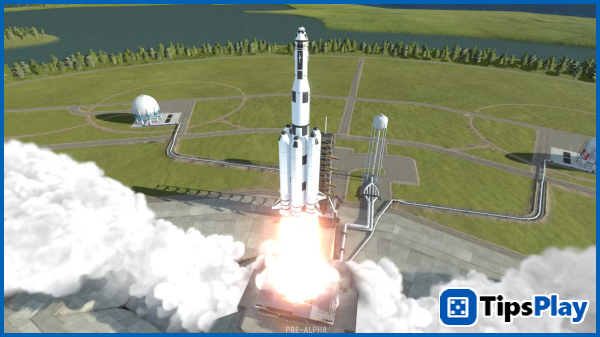
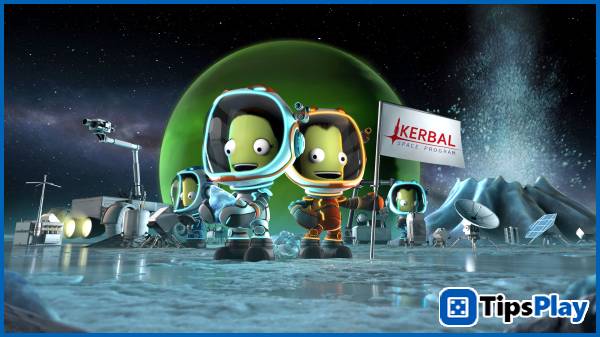
Not content with simply copying Artemis 2, the game expands its creative scope with a range of possibilities beyond reality: building space stations, establishing bases on distant planets, or experimenting with unique spacecraft designs. It is this combination of scientific rigor and free-flowing sandbox elements that has allowed Kerbal Space Program to maintain its appeal over the years.
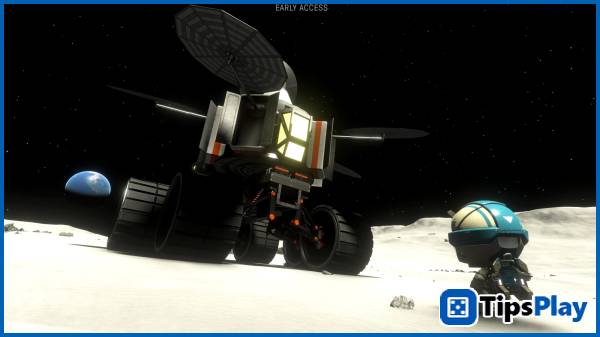
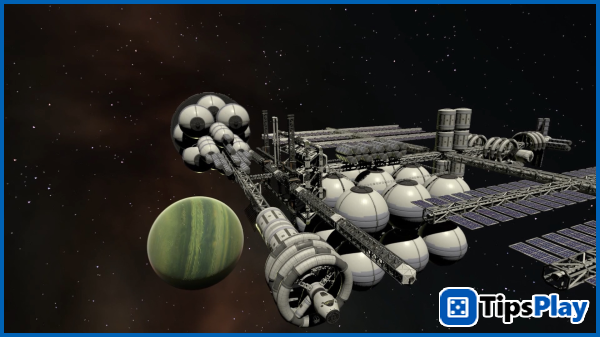
Conversely, the sequel, Kerbal Space Program 2, failed to meet expectations. After its Early Access release in 2023, the project faced significant criticism and setbacks when the development studio closed down in 2024. This situation plunged the sequel into crisis, even receiving negative reviews on Steam.
Meanwhile, the original game continues to thrive thanks to its large modding community and the boost from real-life events like Artemis 2. The synergy between science and entertainment once again proves that, when reality inspires at the right time, seemingly outdated values ??can still make a spectacular comeback.
Update 15 April 2026
David Pac
David Pac is a senior IT professional who designs the overall technical vision and structure of a project, transforming business requirements into viable software/system solutions.