Samsung and SK Hynix collaborate to boost global RAM supply.
The memory market is entering a sensitive phase, and Samsung and SK Hynix are reportedly opting for a long-term approach. Instead of annual or even quarterly supply contracts, these two manufacturers are moving towards signing agreements lasting from 3 to 5 years with major technology companies.
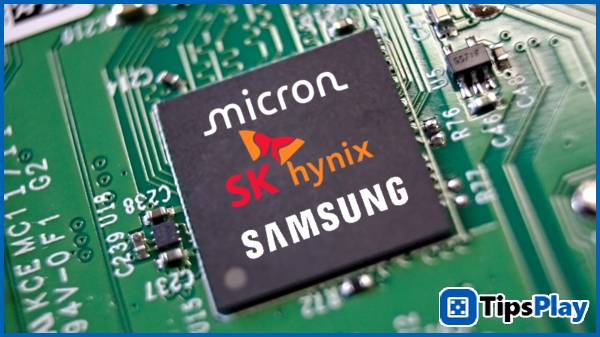
According to Aju News, both companies want to rely on long-term agreements to sell products and forge closer relationships with customers from the early stages of AI memory development. This information also places the aforementioned move in the context of new agreements expected to be signed with key customers in 2026, which could put smaller companies at a disadvantage when competing with industry leaders.
Sources indicate that Samsung has agreed that, starting this year, new contracts with major customers will have a minimum term of three years under Long-Term Agreements. Previously, Samsung accepted 'quarterly' contracts until 2025, then switched to weekly contracts as market volatility increased significantly.
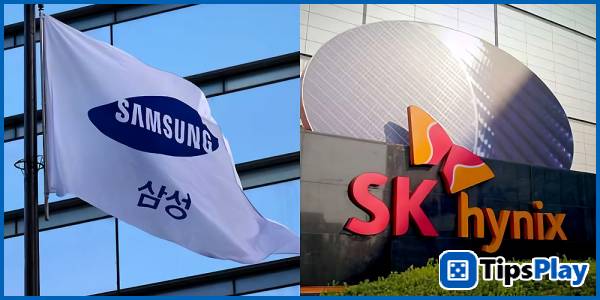
In a statement at the annual meeting on March 18, Jun Young Hyun, vice president and head of DS, said the company is pushing for a shift from annual or quarterly contracts to multi-year agreements, typically lasting from 3 to 5 years.
Under these types of agreements, Samsung can supply memory to companies like Microsoft and Google for a period of three years. Conversely, SK Hynix is ??negotiating a five-year contract to supply general-purpose DRAM to Google.
Initially, the two sides proposed a three-year timeframe, but after an internal assessment, SK Hynix deemed that too short and extended it to five years. SK Hynix is ??currently Google's preferred supplier for the fifth-generation HBM3E. Based on this, negotiations are reportedly considering the possibility of finalizing the agreement in the first half of the year, shortening the timeline compared to the original goal of completing the deal within the entire year.
This move is described as providing a protective layer for both Samsung and SK Hynix, but at the same time increasing pressure on customers, who must believe that their hardware investment will yield significant returns within 3 to 5 years to offset current costs. If the bubble bursts prematurely, the market could descend into chaos; if things go as expected, this will be a huge advantage for these two manufacturers over their competitors.
Update 10 April 2026
Micah Soto
Micah Soto is a creator of systematic processes encompassing the design, creation, testing, and maintenance of computer programs and applications. He transforms an idea or a set of user requirements into a functional software product that solves problems, automates tasks, or provides entertainment.