Victory Girls: Anime Soccer is taking mobile gaming by storm with its innovative gameplay combining tactical soccer with card games.
Victory Girls: Anime Soccer, a new Android game released by Game Hollywood, is attracting attention for its unique approach to the sports game genre. Instead of focusing on famous players or traditional simulations, the game combines elements of strategy, management, and card battles to create a distinctive experience.
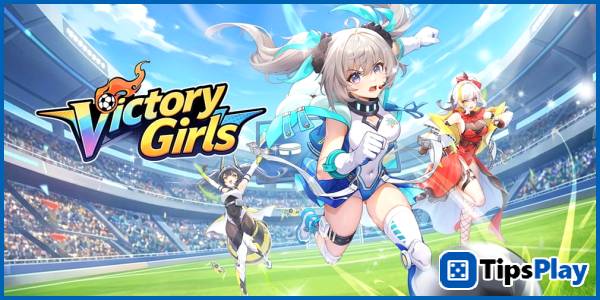
On the surface, Victory Girls resembles a familiar soccer management game, where players build their team, strategize, and make decisions on the field. However, the difference lies in the card battle mechanism directly integrated into the gameplay. Matches are fast-paced, requiring players to use cards to activate skills and gain an advantage over opponents. This combination provides a fresh feel while increasing the tactical element in each play.
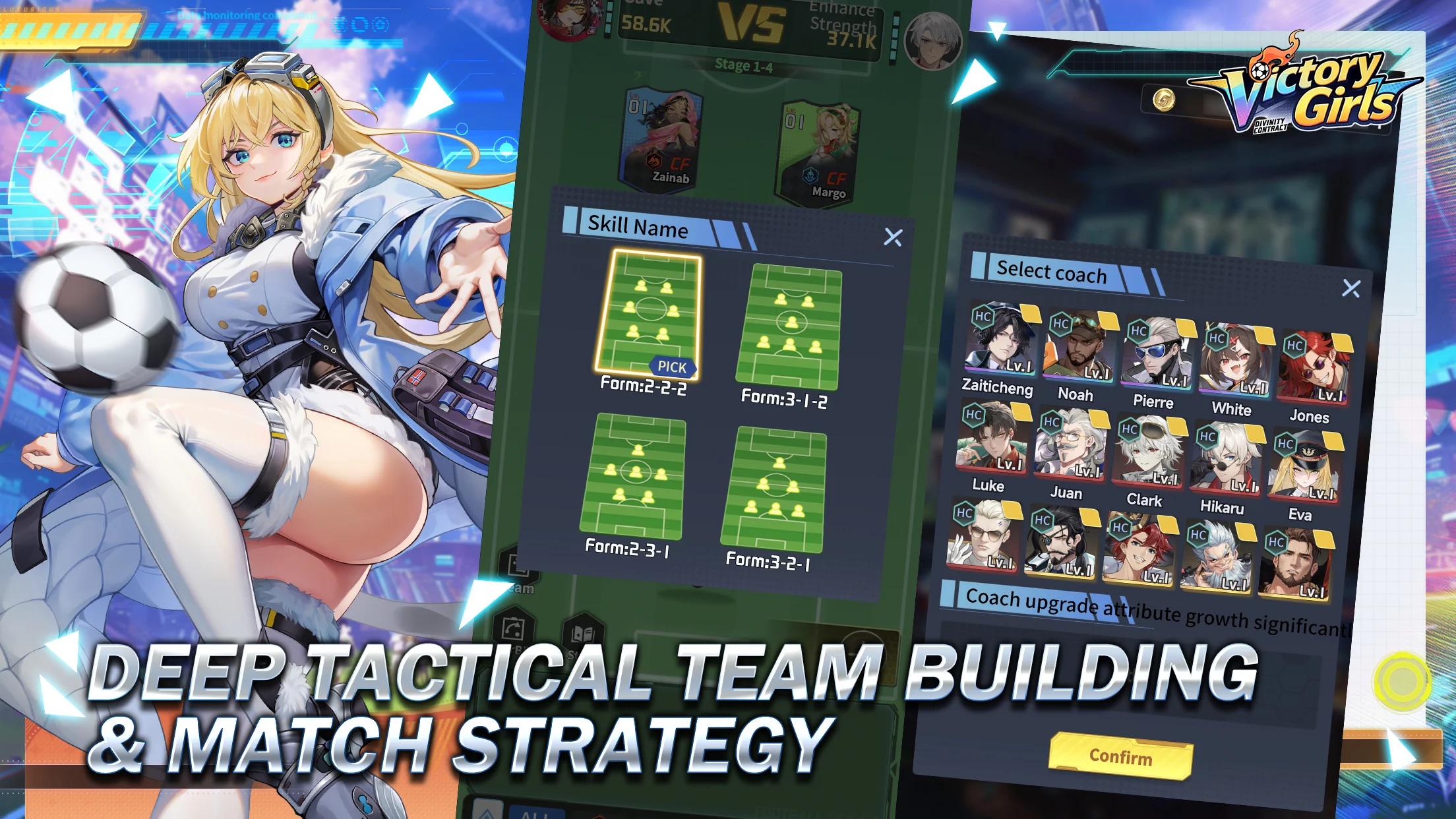
The game features over 60 characters with striking anime designs. Each character possesses unique skills and stats, allowing players to freely build a team that suits their desired strategy. Additionally, the character development system allows for upgrades through training, equipment, and individual development options. Optimizing your team composition and leveraging synergies between characters is crucial for victory.
Victory Girls impresses with its bright anime-style graphics and well-invested skill effects. The battles are vividly portrayed, combined with unique animations for each skill, creating an engaging experience both visually and strategically.
Right from the start, players will receive powerful characters and various support resources, including gacha tickets. These rewards help them quickly familiarize themselves with the gameplay system and build their initial team. Combining soccer management, strategy, and card battles, Victory Girls: Anime Soccer offers a fresh direction for mobile sports games, promising to make its mark in the near future.
Update 27 March 2026
Marvin Fry
Marvin Fry is a game analyst who serves as a crucial link between data and game design, using in-game metrics and player behavior data to improve game quality, engagement, and monetization.