Tekken 8 and Street Fighter 6: A battle between two legendary fighting game franchises.
Despite their differences in perspective and gameplay, Tekken 8 and Street Fighter 6 share more similarities than you might think. Let's take a closer look at these two top-tier fighting games, highlighting the similarities and differences that make each game so appealing. 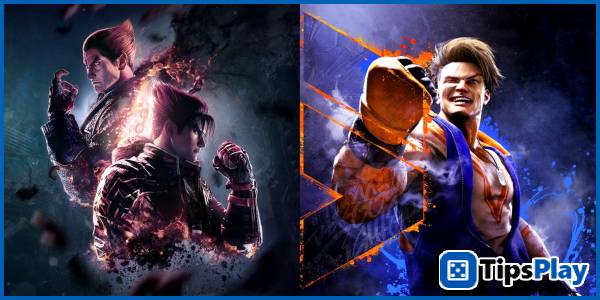
The core difference between 3D and 2D
Both games offer distinctly different combat experiences, stemming from their battle environments. Tekken 8, with its 3D environment, allows players to move freely in three-dimensional space, including sideways movement to dodge attacks. This ability creates a whole new tactical dimension, where players can utilize space to gain an advantage, evade critical hits, and open up opportunities for unexpected counterattacks. Imagine facing a powerful Shoryuken from Ryu in Street Fighter 6; in Tekken 8, you can simply step sideways to dodge and launch your own counterattack.
However, don't be quick to think that Tekken 8 is harder to play just because of this freedom of movement. Although each character in Tekken 8 possesses a vast arsenal of moves, executing attacks is generally simpler than in Street Fighter 6. You can easily unleash spectacular combos with just a few button presses, creating visually stunning attacks and overwhelming your opponents.
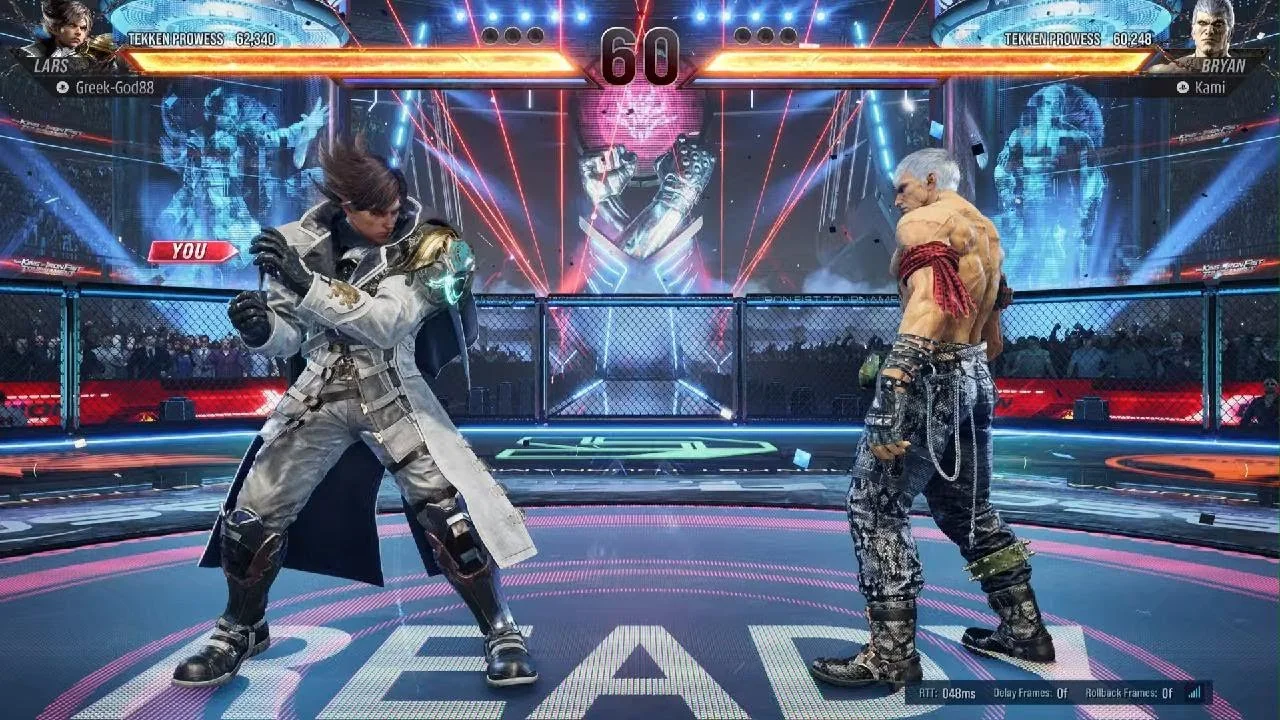
In contrast, Street Fighter 6, with its 2D environment, demands greater precision and skill in executing combos. Each strike, each combo sequence, needs to be carefully calculated and executed precisely in terms of timing and force. A single mistake in pressing a button can ruin the entire combo, giving the opponent a chance to turn the tables. Therefore, Street Fighter 6 is often considered a game that requires intense concentration and quick reflexes.
Although Tekken 8 boasts a complex combat system with a huge number of moves for each character, the game is extremely beginner-friendly. You can easily perform basic attacks and even combos with just a few button presses. The feeling of unleashing powerful blows and spectacular combos will excite you from the very first minutes. Tekken 8 doesn't require you to memorize tons of buttons or complicated controls like some other fighting games. You can focus on enjoying the fight, feeling the rhythm, and learning gradually over time.
Street Fighter 6 is also very accessible to new players. The control system is designed to be simple and easy to understand, allowing you to quickly grasp the core mechanics of the game. However, it is precisely this simplicity that makes it easy to see the difference between a novice player who just randomly presses buttons and a player who has spent time learning and practicing. Experienced players will know how to use moves effectively, control distance, and react quickly to each opponent's attack.
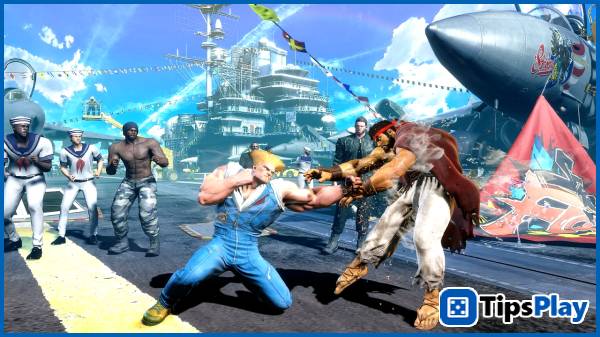
To further assist new players, both Tekken 8 and Street Fighter 6 offer a simplified control mode. This mode allows you to perform complex moves with just one button press, helping you focus on learning tactics and enjoying the game without being overwhelmed by the control system. This is a great feature for those new to the fighting game genre or players who want a more relaxed gaming experience.
Two styles, two beauties
These two giants of the fighting game genre not only compete in gameplay but also in graphics. Each game offers a distinct art style, aiming to impress and attract players.
Tekken 8 utilizes Unreal Engine 5, one of the most advanced graphics engines currently available, to create a vibrant and realistic game world. Every detail in the game is meticulously crafted, from the characters' facial expressions to the surrounding environment.
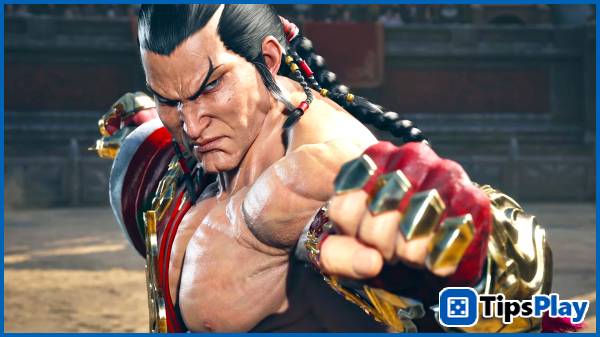 The game showcased its graphical prowess through meticulously detailed character models, from muscles and facial wrinkles to individual strands of hair. The lighting effects were also impressive, adding depth and space to each scene. Furthermore, the combat environments were highly detailed and vibrant, featuring interactive elements such as destructible objects.
In contrast to Tekken 8, Street Fighter 6 pursues a cel-shading graphic style combined with street graffiti, creating a youthful, dynamic, and distinctive atmosphere. Street Fighter 6 uses cel-shading techniques to create unique graphics, resembling cartoon drawings with black outlines around characters and bright colors. Combined with graffiti integrated into the background, Street Fighter 6 delivers a street style that is both individualistic and artistic.
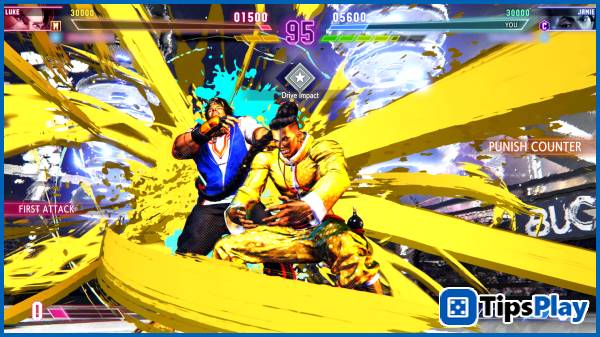
Tekken 8 and Street Fighter 6 represent two different schools of graphics in fighting games. Tekken 8 focuses on realism and detail, while Street Fighter 6 emphasizes artistic style and uniqueness. Each game has its own strengths, and the choice between them will depend on individual player preferences.
Diverse character system
Tekken 8 features 32 playable characters (excluding DLC), including familiar faces like Kazuya Mishima, Nina Williams, and Yoshimitsu, along with new characters such as Reina (Heihachi Mishima's illegitimate daughter) and Victor Chevalier (inspired by French actor Vincent Cassel).
Although Street Fighter 6 only has 18 characters in its base roster, the developers have ensured that each character has a distinct playstyle. Ryu and Ken, two characters who previously had almost identical playstyles, now have separate fighting styles. Street Fighter 6 also introduces six new characters, including Jamie (a drunken boxing master) and Marisa (an Italian pankration fighter).
Diverse game modes
In addition to online modes for experienced players, both Tekken 8 and Street Fighter 6 offer plenty of engaging single-player content. Tekken 8 features a story mode with beautiful cutscenes, an Arcade Quest mode that evokes nostalgia for arcade machines, and the fun Tekken Ball mini-game.
Street Fighter 6 features an arcade mode that lets you battle against pre-set characters, a World Tour mode with action-packed role-playing gameplay, and Extreme Battles with unique rules and victory conditions.
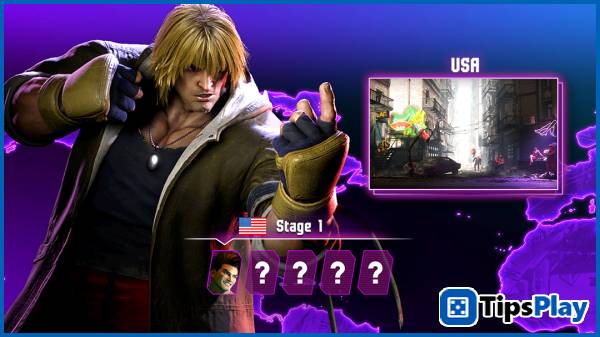
Both Tekken 8 and Street Fighter 6 welcome new players with helpful modes and support tools. Street Fighter 6 provides detailed tutorials for each character, helping players master their usage and counter-strategies, alongside combo challenges to practice skills.
Tekken 8 features an Arcade Quest mode that guides players step-by-step through the world of Tekken, along with challenges in training mode to hone their skills. Both modes share the ability to record matches, allowing players to review and learn from their mistakes.
Notably, Tekken 8 features Replay Takeover, allowing players to replay matches and experiment with different strategies. Thanks to these efforts, Tekken 8 and Street Fighter 6 are not only for professional gamers but also open the door to welcome newcomers to the world of fighting games.
Future plans for the two games.
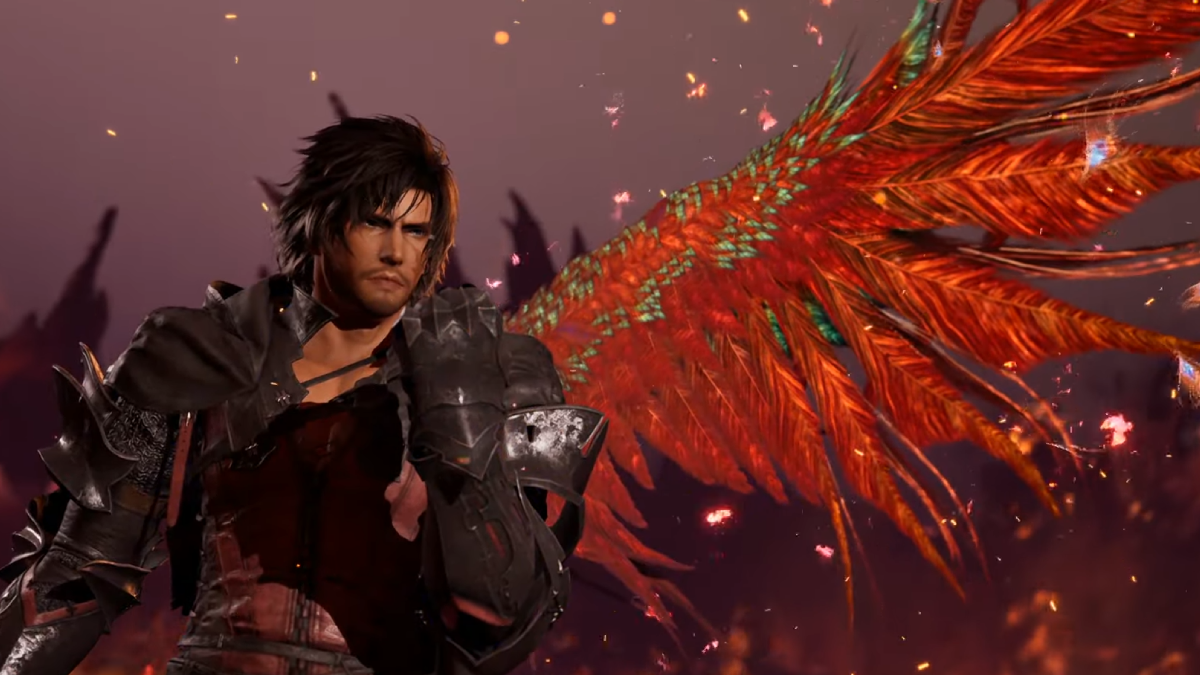
If Tekken 8 and Street Fighter 6 follow in the footsteps of their predecessors, you can expect post-launch support for 5 to 8 years, including new characters, storyline expansions, and gameplay balancing. Tekken 8 is currently at the end of its first season, with the return of Eddie Gordo, Lidia Sobieska, and Heihachi Mishima. The next character will be Clive Rosfield, a character from Final Fantasy XVI UK, which will be released on December 16, 2024, for Season Pass owners and December 20 for all players.
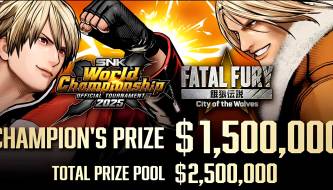
Street Fighter 6 is currently in the final stages of Season 2. A highlight of this season's Character Pass is the appearance of two first-ever guest characters in the series' history: Terry Bogard (released in Fall 2024) and Mai Shiranui (released in Winter 2025). Both characters come from SNK's fighting game series Fatal Fury and The King of Fighters.
Whether you're a casual player or a professional gamer, Tekken 8 and Street Fighter 6 are perfect fighting games for you. They offer diverse experiences, from casual single-player gameplay to high-level competitive matches, and promise to continue evolving for years to come.
Update 25 March 2026
Micah Soto
Micah Soto is a creator of systematic processes encompassing the design, creation, testing, and maintenance of computer programs and applications. He transforms an idea or a set of user requirements into a functional software product that solves problems, automates tasks, or provides entertainment.