GoPro launches Mission 1: Major hardware upgrades, aiming to reclaim its position.
Beyond just image quality, GoPro also invests heavily in audio with a 4-microphone system, supporting 32-bit stereo recording and reducing wind noise.
After a period of being overshadowed by competitors like DJI and Insta360, GoPro has officially introduced its brand-new line of action cameras called Mission 1. This is not just a typical upgrade, but clearly demonstrates its ambition to change the game in the compact camera segment.
1-inch sensor and 8K recording: a major leap forward in imaging.
The centerpiece of the Mission 1 lies in its 50MP, 1-inch sensor – a rarity in action cameras. Combined with the new GP3 processor, the device can shoot 8K video, while also significantly improving low-light performance and temperature control during continuous operation.
Three versions were introduced: Mission 1, Mission 1 Pro, and Mission 1 Pro ILS. The Pro version focuses on high-end video performance, while the ILS version opens up a completely new direction with its interchangeable lens capability.
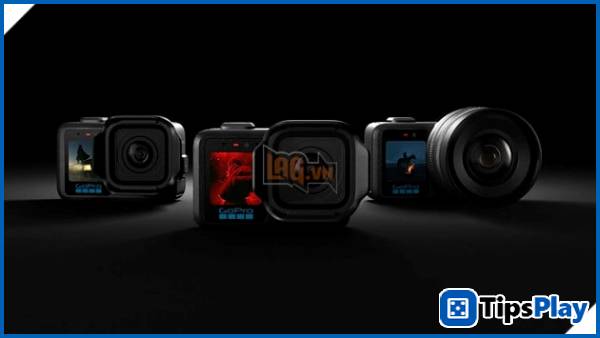
Action camera with interchangeable lenses.
What sets the Mission 1 Pro ILS apart is its support for the Micro Four Thirds mount, allowing the use of lenses from manufacturers like Panasonic or OM Systems. This pushes the device beyond the limitations of traditional action cameras, bringing it closer to professional filmmaking systems.
Of course, this comes at the cost of increased size and weight, making the device more suitable for fixed mounting on a vehicle rather than being worn directly on the body.
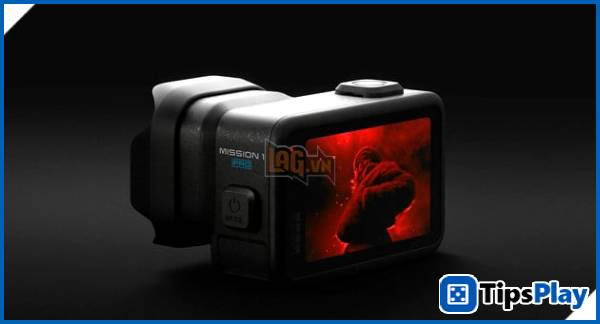
Larger battery, longer recording time, better heat dissipation.
GoPro has equipped the Mission 1 series with the new Enduro 2 battery, allowing for over 3 hours of continuous 4K recording. Heat dissipation has also been significantly improved, enabling extended 8K 60fps recording without the need for additional fans in many situations.
However, the company still uses a microSD card slot instead of internal storage – a difference compared to some recent competitors.
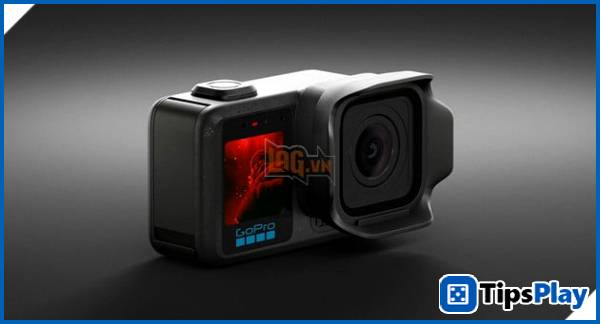
Focus on the intelligent shooting experience.
Mission 1 incorporates many advanced shooting modes such as subject tracking, low-light shooting, underwater stabilization, and presets for vlogging or sports. GoPro's HyperSmooth image stabilization technology – a strength of GoPro – is expected to continue playing a key role in the real-world experience.

Audio and accessory ecosystem have been upgraded.
Beyond just images, GoPro has also invested heavily in audio with a four-microphone system, supporting 32-bit stereo recording and wind noise reduction. The company also introduced a new wireless microphone, directly competing with existing solutions on the market, supporting Bluetooth connectivity and an operating range of up to 150 meters.
In addition, there's a range of familiar accessories such as Media Mods, Volta battery grips, LED lights, and ND filters – all well-suited for professional content creation needs.
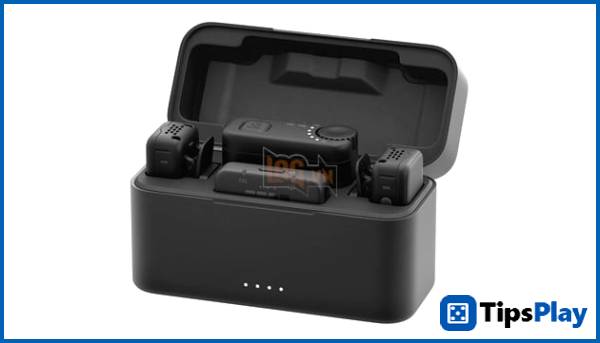
A clear strategy in the action camera race.
Although the price hasn't been announced yet, it's clear that Mission 1 is not just a new product, but a strategic move for GoPro. The significant hardware upgrades, expanded recording capabilities, and focus on advanced users show the company is trying to regain its position in an increasingly competitive market.
If what has been announced becomes a reality, Mission 1 could very well be a significant game-changer for GoPro in the near future.
Update 15 April 2026
Isabella Humphrey
Isabella Humphrey is a Senior Game Analyst. This position is a high-level professional who acts as a bridge between raw data and game design to drive game success. Unlike lower-level positions that focus solely on basic reporting, a senior analyst proactively shapes data strategy, predicts player behavior, and directly influences core business decisions.