Apple is preparing a major upgrade for Siri in iOS 27.
This move suggests Apple is shifting from a model that integrates with a single AI partner to an open ecosystem where multiple virtual assistants can work in parallel within Siri.
Apple is reportedly preparing a complete overhaul of Siri in the iOS 27 update, transforming the virtual assistant into a multi-agent AI platform capable of coordinating various chatbots to handle user requests. This move suggests Apple is shifting from a model that integrates with a single AI partner to an open ecosystem where multiple virtual assistants can work in parallel within Siri.
According to leaked information, iOS 27 will allow Siri to integrate with third-party chatbots such as Gemini and Claude through the App Store. Apple is expected to add an 'Extensions' option in the Apple Intelligence and Siri section of the Settings app, allowing users to download and manage various AI assistants directly on their iPhone.
In the new model, Siri will play a central coordinating role. Users can ask Siri to forward queries to a specific chatbot, or the system will automatically select a suitable AI if Siri cannot handle the request. This approach helps chatbots work seamlessly within the same ecosystem, while also opening up new business opportunities as Apple can receive a portion of the revenue from AI service subscriptions.
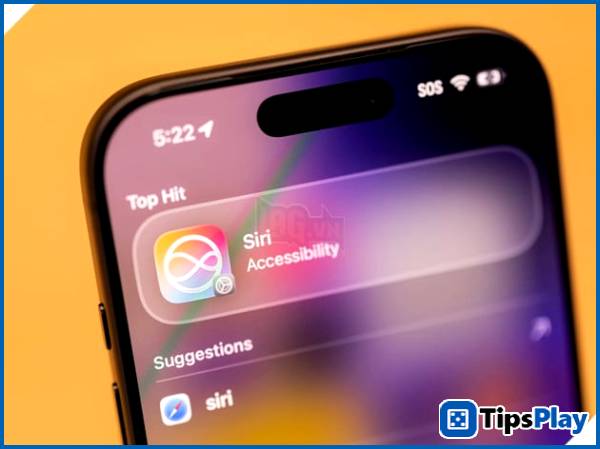
Notably, Apple is also developing a dedicated Siri chatbot, running on Google's cloud infrastructure and TPUs but remaining under Apple's complete control. The company asserts that this collaboration will not compromise security and privacy standards, which are fundamental to Apple Intelligence's strategy.
The new Siri chatbot is expected to be deeply integrated into the operating system, allowing access to personal data, performing actions within applications, searching the web, creating content, assisting with programming, summarizing documents, and analyzing information. Additionally, Apple is testing the ability for Siri to view on-screen content and open windows to provide intelligent, contextual suggestions, similar to how modern chatbots work on computers.
According to analyst Mark Gurman, Apple is developing Apple Foundation Models version 11 based on Google's advanced Gemini technology. This model is expected to compete directly with Gemini 3, and even significantly surpass the current Siri system. This is seen as a crucial step in helping Apple close the gap in the AI ??race with major technology rivals.
Beyond simply upgrading artificial intelligence, Apple is also changing how users interact with Siri. iOS 27 is expected to have its own Siri app, acting as a central repository for all conversation history and AI interactions, making it easier for users to track and manage previous conversations. Siri will also appear in Dynamic Island with a new interface, allowing quick access without opening the app.
Apple's bigger ambition is to replace Spotlight search with Siri, creating a unified search interface across the entire system. The new interface will still display intelligent suggestions such as frequently used apps, calendar appointments, or setting changes, but will be processed and personalized more deeply by AI.
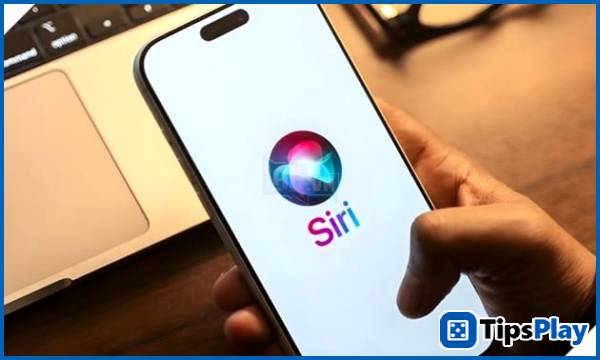
In a related development, a report from The Information indicates that Apple has reached a confidential agreement to gain deep access to Google's powerful Gemini models. Thanks to model distillation techniques, Apple can train compact AI models on its devices by learning from larger models running on Google's servers, improving performance while maintaining privacy.
If these plans materialize, iOS 27 could mark Siri's biggest leap forward since its launch. From a simple voice assistant, Siri would become the central AI platform on the iPhone, capable of connecting multiple models and services and handling most of users' digital needs within a unified interface.
Update 29 March 2026
Jessica Tanner
Jessica Tanner is a Technical Analyst who serves as a crucial link between an organization's business needs and its information technology (IT) systems. She specializes in evaluating, designing, implementing, and maintaining software, hardware, and network systems to optimize business processes.