Razer announces its AI Gaming ecosystem at CES 2026.
At CES 2026, Razer announced several groundbreaking ideas, new product lines, and AI-powered technologies, laying the foundation for a comprehensive AI gaming ecosystem. The highlight of the event was Project AVA – a desktop AI partner with animated avatars, developed from Razer's award-winning AI esports coach project – and Project Motoko – a next-generation AI-powered wearable device, a headset equipped with superior Snapdragon processing power.
In the mainstream product segment, the event also launched the world's fastest wireless gaming controller, the Razer Wolverine V3 Bluetooth, developed in collaboration with LG, and the Project Madison 'multi-sensory immersion' gaming chair and the Razer Iskur V2 NewGen, which offers improved ventilation and comfort.
Additionally, the event showcased a comprehensive suite of solutions for AI developers, including the Razer Forge AI Developer Workstation, a scalable workstation for intensive AI development tasks, and the open-source Razer AIKit toolkit for low-latency, local-first AI workflows. Furthermore, the collaboration between Razer and Tenstorrent resulted in a compact, modular AI accelerator that brings desktop-level computing power to mobile devices, catering to the creative needs of developers.
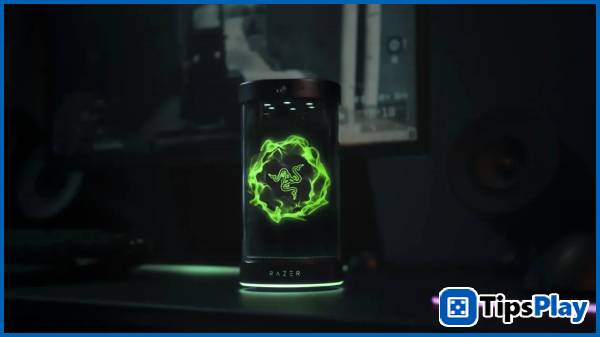
Beginning with Project AVA, the project has been comprehensively developed into an integrated desktop AI assistant, boasting a 5.5-inch animated avatar interface, highly adaptable AI personality, and intelligent processing capabilities thanks to PC Vision Mode. As a result, Project AVA is presented as a product that goes beyond its role as a gaming support tool, becoming a true digital companion for work, entertainment, and life.

Built on the Snapdragon platform, Project Motoko is a purely AI-native wireless headset concept, boasting AI-enhanced image perception through a dual first-person camera system, intelligent audio feedback, and a dual far-field and near-field microphone system for enhanced sound detection. Thanks to its flexible compatibility with leading AI platforms, the device not only enhances work performance, entertainment, and quality of life but also provides image data from a realistic human perspective, supporting robot training and AI model development.
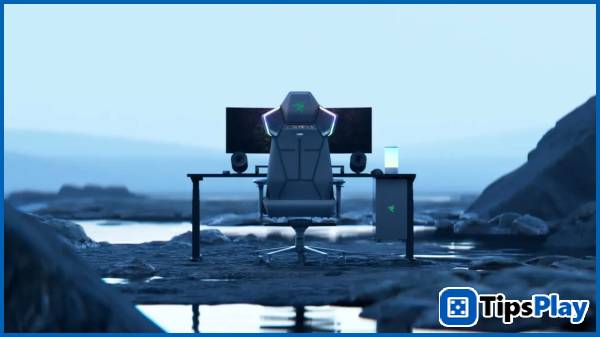
Delivering the ultimate immersive experience, Razer introduces the new generation Project Madison gaming chair, equipped with Razer Sensa HD Haptics haptic feedback technology, THX Spatial Audio, and Razer Chroma RGB lighting, allowing gamers to sit, feel, listen, and admire the action at a whole new level with a truly multi-sensory experience.
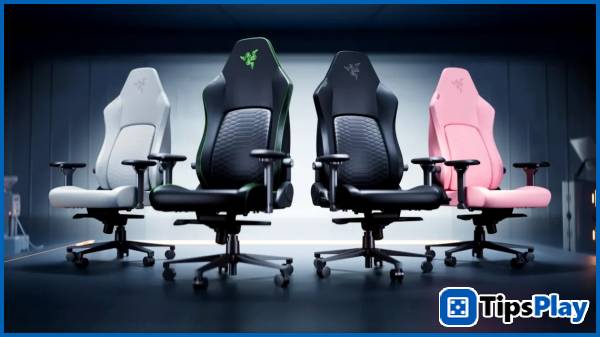
Accordingly, the Razer Iskur V2 NewGen has also been upgraded and is considered a new step forward from the renowned gaming chair line, refined to achieve ultimate comfort and performance. The product integrates the flexible Razer HyperFlex lumbar support system, Razer Gen-2 EPU leather with exclusive CoolTouch cooling technology, and high-density, dual-layer cold-molded foam with ventilation holes. This perfect combination keeps gamers feeling cool and comfortable while providing optimal support to maintain a stable and enduring sitting posture throughout extended gaming sessions.
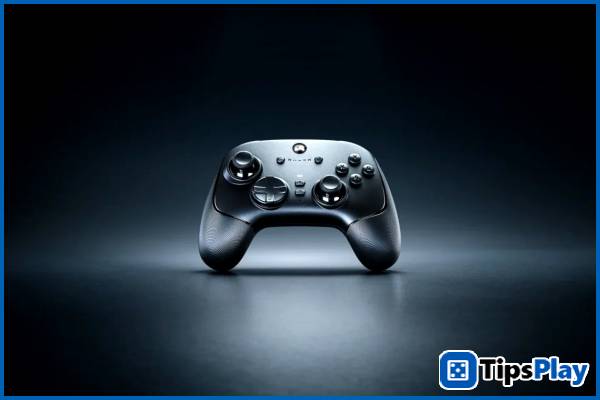
Designed and developed in collaboration with LG as part of the 'Designed for LG Gaming Portal' program, the Razer Wolverine V3 Bluetooth is considered the world's fastest wireless gaming controller, delivering a smooth cloud gaming experience on a large screen. Featuring ultra-low latency Bluetooth, integrated TV controls, and professional-grade features, it lets you enjoy the convenience of cloud gaming from the comfort of your sofa without sacrificing performance.
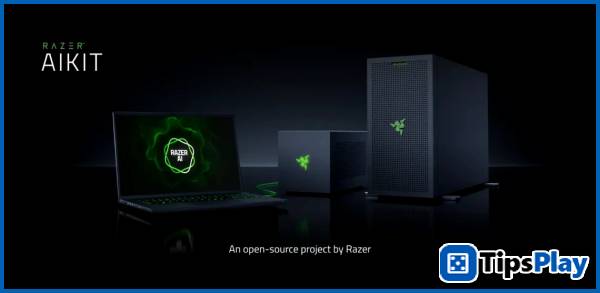
Finally, Razer announced an ecosystem for AI developers, combining high-performance computing capabilities for intensive processes with an open-source platform for fine-tuning and inferring large model languages ??(LLMs) on-premises.
The Razer Forge AI Dev Workstation is a high-performance workstation designed to handle the most complex AI training, execution, and simulation tasks. It allows for the entire process to be handled on-premises infrastructure, ensuring absolute security, maximum responsiveness, and no subscription costs. Thanks to its professional-grade multi-GPU configuration support, workstation-class CPUs, and massive memory bandwidth, the Forge AI Dev Workstation accelerates large-scale model training and easily scales from tower to rack configurations to suit enterprise deployment needs.
To optimize the AI ??development lifecycle, enabling researchers and developers to run and fine-tune LLMs on-premises with cloud-level performance, Razer AIKit features automatic GPU detection, resource cluster setup, and integration with Razer's AI hardware, as well as support for low-latency local AI workflows. The project is fully open-source on GitHub, allowing the developer community to freely customize and contribute to the continuous improvement of Razer AIKit.
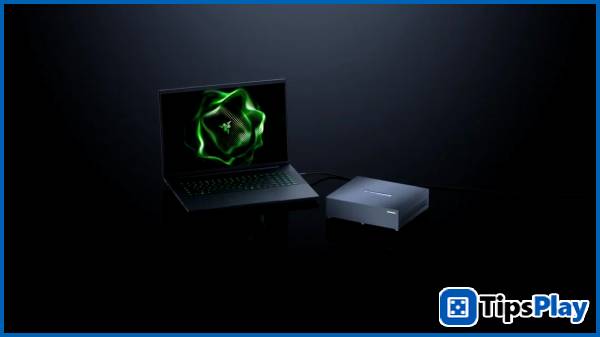
At the event, Razer also announced a partnership with Tenstorrent to launch the first-generation compact AI accelerator, bringing powerful generative AI capabilities to any Thunderbolt 5-equipped system. Running on Tenstorrent's Wormhole technology, the device delivers desktop-level performance for LLM tasks, image generation, and advanced AI/ML processes in a mobile form factor. Thanks to its flexible modular design, developers can pair up to four units to scale experiments, all optimized by Tenstorrent's open-source software solutions team.
Update 19 March 2026
Micah Soto
Micah Soto is a creator of systematic processes encompassing the design, creation, testing, and maintenance of computer programs and applications. He transforms an idea or a set of user requirements into a functional software product that solves problems, automates tasks, or provides entertainment.