Monster Hunter Stories 3: Twisted Reflection Game Review - A Highly Tactical Experience
Monster Hunter Stories 3: Twisted Reflection clearly knows how to create its own identity by reimagining core elements in a new direction, while also setting itself apart from many other JRPGs thanks to its seemingly limitless development potential.
They certainly know how to make their own mark. While the mainstream Monster Hunter franchises are defined by real-time combat and a diverse weapon system, the Stories series is a turn-based JRPG that focuses more on strategy, character building, and character-centric storytelling.
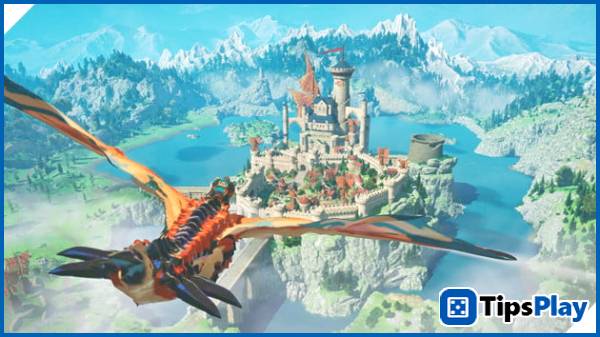
Notably, Monster Hunter Stories 3 retains the most important core elements of the franchise. Specifically, the monster crafting and research systems—the very things that made the Monster Hunter series unique—are reinterpreted in a new way in Stories 3, offering an interesting perspective on familiar elements. At the same time, Stories 3 also sets itself apart from other turn-based JRPGs thanks to its combat system and meta progression, which boasts almost limitless depth and complexity.
The surprising twists in Monster Hunter Stories
Indeed, Monster Hunter Stories 3 is a large-scale game with very engaging and unique mechanics, especially those designed around the core storyline. However, many of these mechanics – for better or worse – are quite 'optional.' If players don't really like them, they're likely to leave the game soon. This doesn't make the game bad; on the contrary, Capcom's persistence with these distinctive mechanics is what makes Stories 3 satisfying, intriguing, and highly creative.
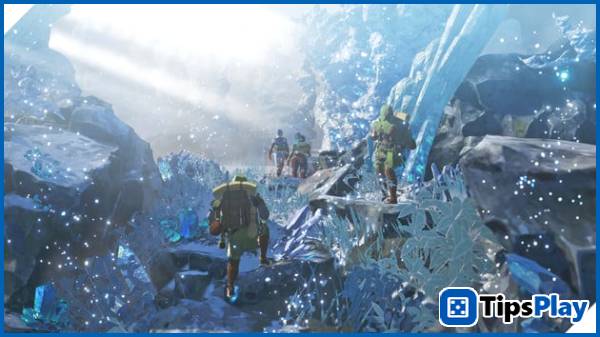
Although the game's storyline revolves around medieval kingdoms, wars, and political intrigue, its greatest appeal lies in its monster ecosystem. Players take on the role of a prince or princess, and also the captain of the Rangers – a force tasked with protecting the environment and monsters from extinction. Unlike typical hunters, the Rangers are responsible for maintaining ecological balance, protecting monsters, and releasing them back into their natural habitats.
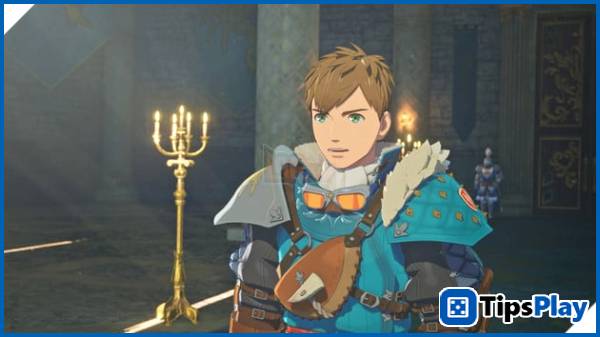
The Ranger role-playing experience therefore offers a fresher feel compared to the epic royal storyline. Besides hunting monsters and crafting equipment as in traditional Monster Hunter games, Stories 3 adds more in-depth systems. Players are encouraged to constantly collect monster eggs from various lairs; rarer and more valuable eggs will appear after defeating powerful monsters.
When the eggs hatch, players can name, ride, upgrade, and battle alongside them – but that's just the tip of the iceberg. As a Ranger, the protagonist is tasked with reintroducing endangered monster species into their natural habitats in various regions. The strength of the species population in each region is indicated by an alphabetical scale, from C (lowest) to S (highest).
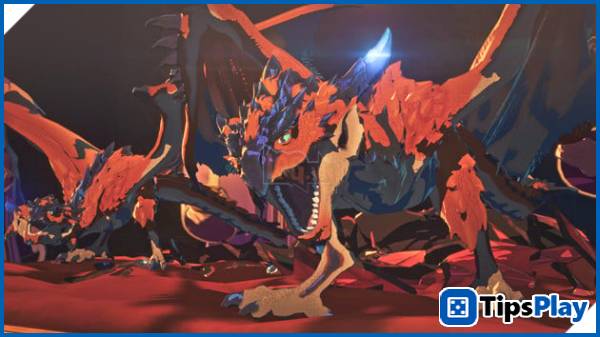
When you release captured monsters back into their designated habitats, their population level increases. This makes collecting monsters in that area more efficient. For example, if you upgrade the Royal Ludroth population in an area from rank C to rank S, the Royal Ludroth eggs there will hatch into individuals with better stats and rarer genes. Population growth can even lead to mutations, creating entirely new species. Players want monsters with better stats and genes because the game has a system similar to breeding, called Rite of Channeling.
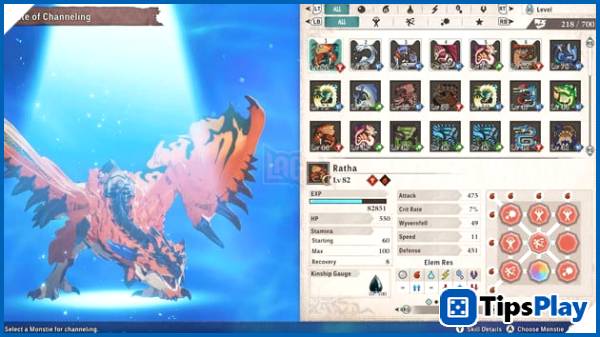
Through this ritual, players can select genes—representing stats or skills—from one monster and transfer them to another. This flexible progression loop facilitates almost endless experimentation and development, and this is also the most unique, surprising, and impressive aspect of Monster Hunter Stories 3.
A highly tactical turn-based combat system.
While the heart of Monster Hunter Stories 3 lies in its environment restoration and gene editing systems, the game's combat system is far from ordinary. The turn-based mechanics can be a bit difficult to get used to initially – for example, players cannot directly control team members except for companion monsters.
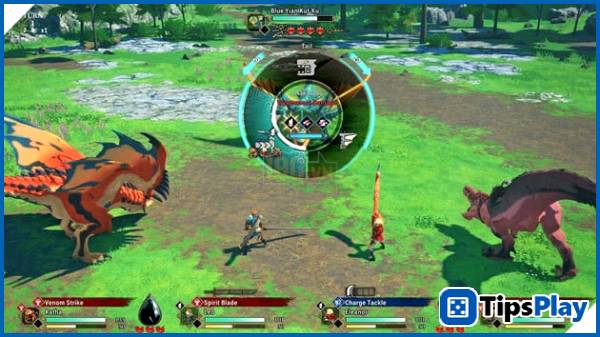
But once you get past the initial learning curve, you'll find a deep and flexible combat system where build preparation and tactics are well rewarded.
The game features three types of weapons:
- Blunt weapons
- Piercing weapons
- Slashing weapons
Players can target different parts of the monster's body, and each part will have its own weakness to a particular type of weapon.
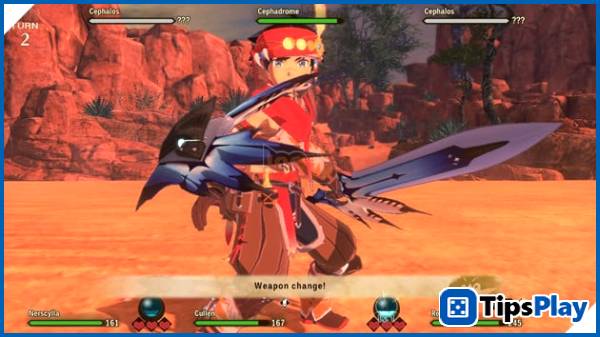
Exploiting the right weak points will inflict stun damage and reduce the health of that body part. This separation makes the combat system significantly more profound. Because players can switch between up to three weapon types during combat, battles always maintain a balance between tactics and flexibility. Additionally, monsters have elemental weaknesses, further encouraging players to prepare thoroughly before battle.
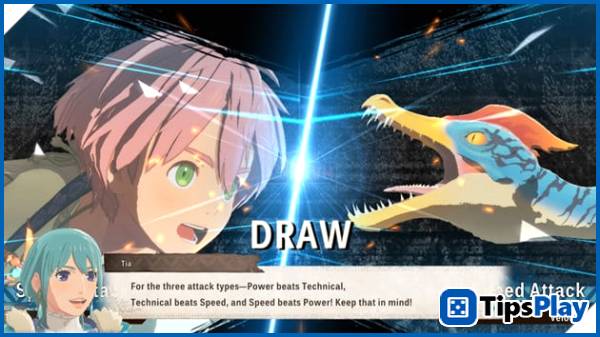
The second pillar of combat design is the attack type system. Except for a few special cases, most attacks from both allies and enemies fall into one of three categories:
- Plastic
- PHP
- Speed
This is the familiar rock-paper-scissors system: Speed ??beats Power, Technical beats Speed, etc. Therefore, identifying the attack patterns of monsters becomes a crucial element in gameplay. Learning the attack habits of each species will provide a significant advantage in both combat and exploration.
Some downsides to the experience of Monster Hunter Stories 3.
Despite possessing many appealing ideas, Monster Hunter Stories 3 still has a few limitations. The game lacks some important features, which can sometimes make the experience frustrating after dozens of hours of gameplay. Some notable examples include:
- It's not possible to pause long cutscenes.
- Custom waypoints are not displayed on the minimap.
- It's impossible to see the monster's attack patterns during combat.
In terms of design, there are also a few limitations. For example, losing a battle doesn't lead to significant consequences: you simply respawn outside the combat zone. This makes encounters with enemies – which are otherwise very well-designed – less intense and less emotionally rewarding.
Conclude
Despite a few minor drawbacks, it was a fantastic and unique experience that I'm unlikely to forget anytime soon. The game's monster gathering and combat system is captivating in its own way, going far beyond typical JRPG 'level grinding' and adding depth to almost every other element of the game.
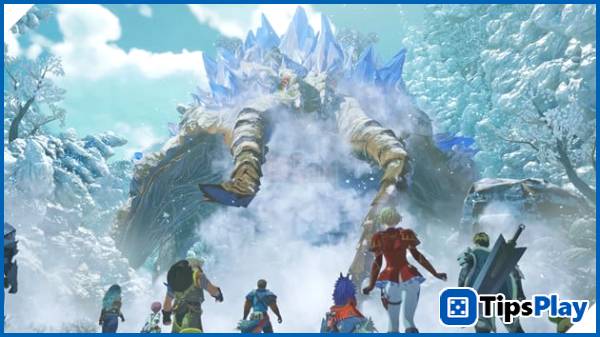
The game may not possess the same mainstream appeal, and perhaps will struggle to surpass its target audience. However, Monster Hunter Stories 3 shows that Capcom is heading in the right direction with this franchise, laying the foundation for it to develop into a JRPG icon on par with Final Fantasy or Dragon Quest in the future.
Update 26 March 2026
Jessica Tanner
Jessica Tanner is a Technical Analyst who serves as a crucial link between an organization's business needs and its information technology (IT) systems. She specializes in evaluating, designing, implementing, and maintaining software, hardware, and network systems to optimize business processes.