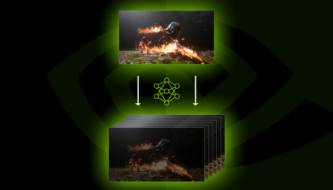
Nvidia is being criticized for the 'AI garbage' graphics mode of DLSS 5.
Nvidia has just announced DLSS 5, the next generation of image enhancement technology, which the company claims is 'the most significant breakthrough in computer graphics'.
While previous versions of DLSS used AI technology to enhance game resolution or improve frame rates, DLSS 5 uses AI modeling to transform the visuals of supported games with what Nvidia calls 'realistic lighting and materials'.
"Bridging the gap between rendering and reality, DLSS 5 allows game developers to deliver a new level of realistic computer graphics previously only achievable in Hollywood visual effects."
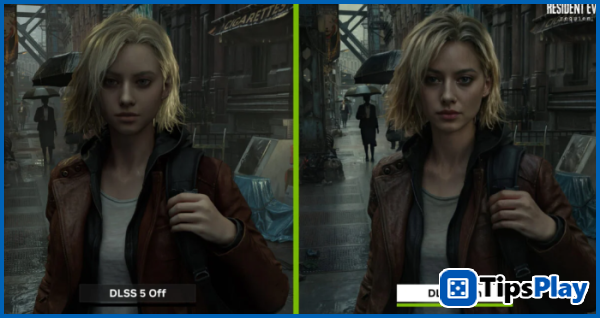
DLSS 5 technology is set to launch this fall, and in a promotional video, it's demonstrated to significantly alter the appearance of characters and environments in games like Resident Evil Requiem, Starfield, and Assassin's Creed Shadows.
According to Nvidia, developers will be able to fine-tune 'intensity, color, and masking to determine where and how enhancements are applied while maintaining the game's unique aesthetic'.
However, the announcement of DLSS 5 still faced much criticism on social media from experts in the gaming industry, partly due to how it completely changed the original art style of supported games. Others even compared it to the AI ??slop images often seen in advertisements for the trashy mobile games currently on the market.

However, these technologies will still be deployed and appear to be supported by many reputable developers. According to Nvidia, DLSS 5 will be supported by publishers including Bethesda, Capcom, NetEase, NCSOFT, S-GAME, Tencent, Ubisoft, and Warner Bros. Games, and it will likely appear in many blockbuster games in the future.
Update 25 March 2026
Marvin Fry
Marvin Fry is a game analyst who serves as a crucial link between data and game design, using in-game metrics and player behavior data to improve game quality, engagement, and monetization.