AI-powered glasses for rent are booming in China, becoming a new 'lifesaver' in exam rooms.
On Xianyu – a popular second-hand market in China – many vendors openly advertise AI glasses rental services for 40 to 80 yuan (approximately $6–12) per day.
On social media platforms and flea markets in China, a quiet rental market is rapidly growing: AI-powered smart glasses. No longer just expensive handbags or electronic devices, these AI glasses are now being advertised as 'secret study assistants,' helping students scan exam questions and receive answers almost instantly.
Vivian, a university student in Hebei province (who requested anonymity), said she uses Rokid glasses to pass difficult subjects. The device can read exam questions and display the answers directly on the lenses, allowing users to tackle tests faster. According to her, some students even rent these glasses for use in their own exams, despite the strict prohibition of using technology to assist in major exams in China.
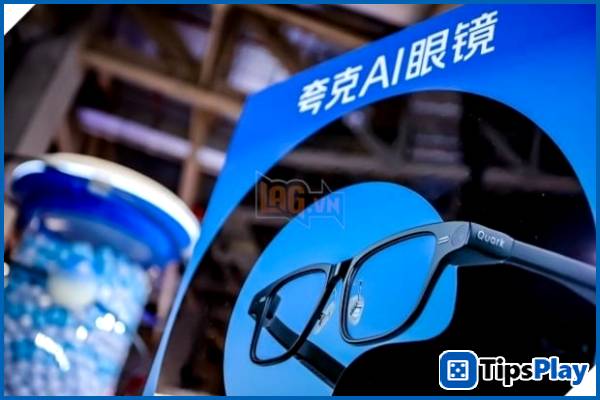
The rental market is growing rapidly in the secondhand market.
This phenomenon isn't limited to individual transactions. On Xianyu – a popular second-hand market in China – many sellers openly advertise AI glasses rental services for 40 to 80 yuan (approximately $6–12 USD) per day.
A Shenzhen businessman said he rented out Rokid and Quark glasses to over 1,000 people in just four months. His customers were diverse, ranging from tourists using the glasses to translate signs abroad to students wanting an academic advantage. Advertisements on the Xiaohongshu platform also highlighted the device's ability to solve English and math problems using the compact, ring-like controller, further attracting attention.
The popularity of AI glasses has sparked a major debate about the misuse of artificial intelligence in education, particularly in the highly competitive academic environment of China.
Teachers face difficulties in detecting cheating devices.
Despite regulations prohibiting the use of technology-assisted testing, controlling AI glasses remains very difficult. These devices are designed to closely resemble regular glasses, making them hard for teachers to detect with the naked eye.
A research team at the Hong Kong University of Science and Technology has tested connecting Rokid glasses to a large language model and shown that the device can help users achieve high scores in large classrooms. The research team is developing a system to help teachers identify the device, and is also calling for the development of a common architecture to manage and develop AI glasses applications more transparently.
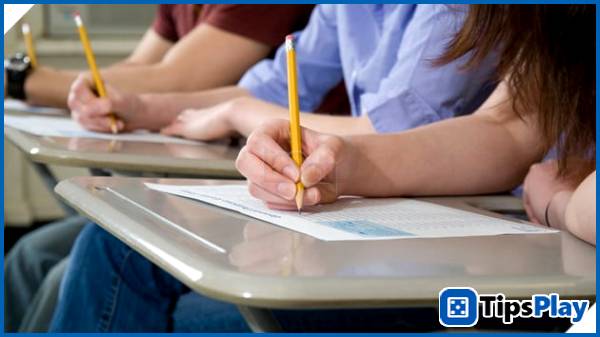
The AI ??glasses market is experiencing strong growth but remains limited.
The smart glasses market in China is expanding rapidly. According to an IDC report, approximately 2.5 million pairs of AI glasses will be shipped in 2025, accounting for nearly 17% of the global market share. Many major tech companies such as Xiaomi, Alibaba, and Li Auto are joining the race with features like real-time translation, video streaming, health tracking, and learning support.
The Chinese government also supports the market with a subsidy program, allowing buyers to receive a 15% discount, up to a maximum of 500 yuan. However, technical issues such as heavy weight, overheating during use, and weak battery life still leave many users dissatisfied.
A student in Zhejiang said his AI glasses, worth over 3,000 yuan, only worked for a few hours before the battery ran out and they overheated quickly, causing him to rarely use them. He believes many practical features can be replaced by smartphones.
The big question is about fairness and privacy.
The development of AI glasses is raising major ethical and privacy concerns in education. Camera light-blocking accessories sold online allow users to film undetected, increasing worries about cheating and unauthorized surveillance.
Currently, AI glasses are still a relatively new product, but in a fiercely competitive academic environment, their appeal as a 'secret support tool' shows no signs of waning. This poses a significant challenge for schools and administrators in balancing technological innovation with ensuring equity in education.
Update 01 April 2026
Jessica Tanner
Jessica Tanner is a Technical Analyst who serves as a crucial link between an organization's business needs and its information technology (IT) systems. She specializes in evaluating, designing, implementing, and maintaining software, hardware, and network systems to optimize business processes.